

No — damaged insulated tools should never be used in energized electrical or EV battery environments.
The insulation coating on a 1000V insulated tool is a critical safety barrier designed to help protect the user from electrical shock and accidental short circuits. If that insulation becomes damaged, cracked, cut, burned, swollen, loose, or excessively worn, the tool may no longer provide its rated protection.
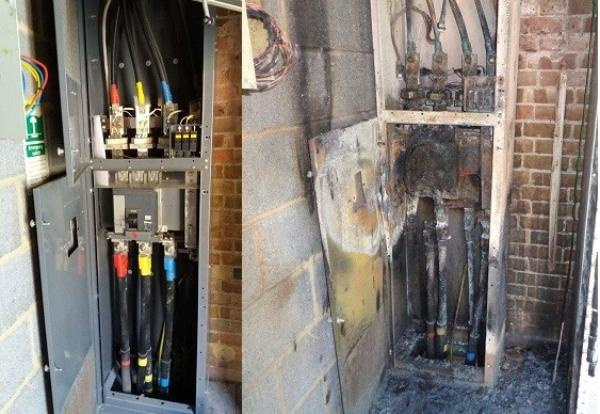
Even minor insulation damage can expose conductive metal underneath the protective coating. In high-voltage environments such as EV battery systems, industrial electrical panels, or energized equipment, this can create a serious risk of:
- Electrical shock
- Arc flash events
- Short circuits
- Battery damage
- Severe injury or death
Insulated tools should be inspected before every use. A tool should be removed from service immediately if you notice:
- Cracks or splits in the insulation
- Cuts, punctures, or abrasions
- Burn marks or melted areas
- Exposed metal beneath the insulation
- Loose or slipping insulation
- Chemical damage or swelling
- Missing insulation layers
- Excessive wear from heavy use
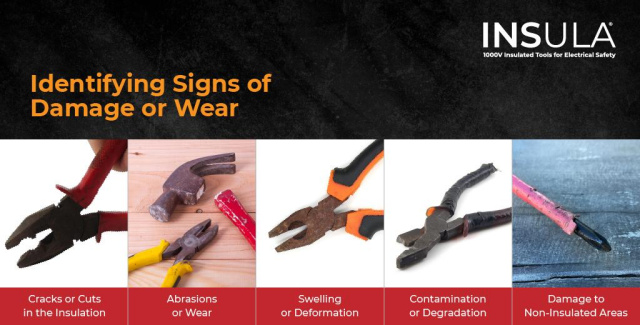
Remove from service if you see:
| Damage | Remove From Service? |
|---|---|
| Cracked insulation | ✔ Yes |
| Cut or punctured insulation | ✔ Yes |
| Burn marks or melted insulation | ✔ Yes |
| Exposed metal | ✔ Yes |
| Loose or slipping insulation | ✔ Yes |
| Swollen or chemically damaged insulation | ✔ Yes |
| Inner warning layer visible | ✔ Yes |
| Unsure of tool condition | ✔ Yes |
Many professional safety standards, including IEC 60900 and OSHA electrical safety practices, recommend routine inspection and replacement of damaged insulated tools to maintain safe working conditions.
It is also important to store insulated tools properly. Exposure to excessive heat, chemicals, UV light, oils, or improper storage conditions can degrade insulation over time.
When working around energized systems, a damaged insulated tool should never be “good enough.” If there is any doubt about the condition of the insulation, the safest action is to replace the tool immediately.


