

Insulated tools should be stored in a clean, dry, and protected environment to help maintain the integrity of their insulation and ensure long-term electrical safety performance.
| ✅ Store Insulated Tools | ❌ Avoid |
|---|---|
| Clean, dry toolbox or cabinet | Direct sunlight and UV exposure |
| Foam-lined cases or tool rolls | Contact with oils and solvents |
| Organized storage to prevent damage | Piling heavy tools on top |
| Away from moisture and humidity | Extreme heat or freezing temperatures |
| Separate from sharp metal tools | Loose storage where insulation can be cut |
Proper storage is important because the insulation layer on 1000V tools can degrade over time if exposed to harsh conditions such as excessive heat, moisture, chemicals, oils, UV light, or physical damage.
To properly store insulated tools:
- Keep tools in a clean, dry toolbox, cabinet, or protective case
- Avoid direct sunlight and prolonged UV exposure
- Protect tools from extreme temperatures and humidity
- Keep them away from oils, solvents, fuels, acids, and harsh chemicals
- Prevent tools from being crushed, bent, or stacked in ways that damage insulation
- Separate insulated tools from sharp metal objects that could cut or puncture the insulation
- Store tools in an organized manner to reduce wear and accidental damage
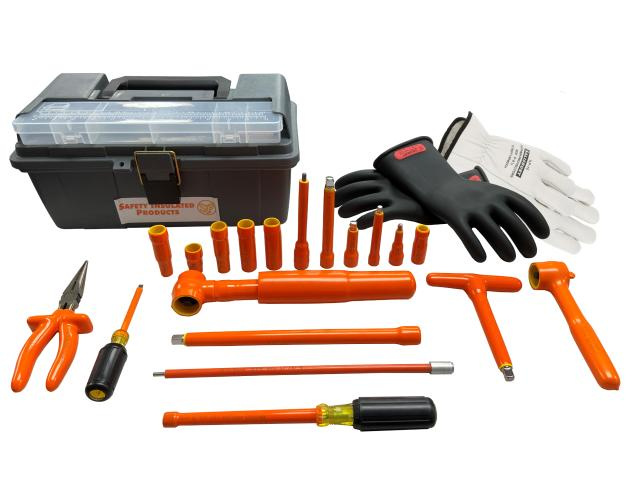
Many professionals use dedicated insulated tool bags, foam-lined toolboxes, or shadow boards to help protect tools and quickly identify missing or damaged equipment.
Before each use, insulated tools should always be visually inspected for:
- Cracks
- Cuts
- Abrasions
- Burn marks
- Swelling
- Exposed metal
- Loose insulation
If any damage is found, the tool should be removed from service immediately.
Proper storage not only extends the lifespan of insulated tools but also helps ensure they continue to provide the protection required for EV service, industrial electrical work, utility maintenance, and other high-voltage applications.


